By the HBK Customs Compliance Team | Updated June 2026
In fashion and electronics, a three-week wait for a sea container is a deal-breaker. Think about it. For example, if a garment sample from Ho Chi Minh City arrives late, the buyer simply moves on. Likewise, if a circuit-board prototype from Hanoi stalls, the whole production line halts. So speed isn’t a luxury here. Instead, it’s survival. That’s why we built our Vietnam air freight service. It bridges the gap between Vietnamese factories and Philippine businesses that need agility, not just volume. So when your supply chain demands speed, we fly your samples and components straight to NAIA.
1. The Prototype Crisis: Vietnam Air Freight vs. Sea Freight
Bulk production has its own playbook. For that, see our guide to importing textiles from Vietnam. But the design and approval phase is different. Here, sea freight is simply too slow.
Why Sea Freight Kills the Approval Phase
A 14-day transit for one approval sample paralyzes your whole decision cycle. While you wait, your competitor decides. So the slow lane quietly costs you the deal.
The “Golden Sample” Advantage
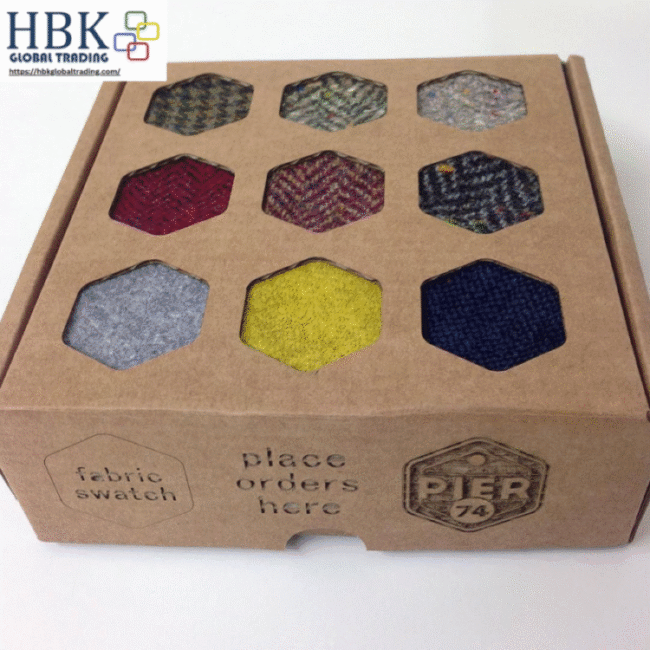
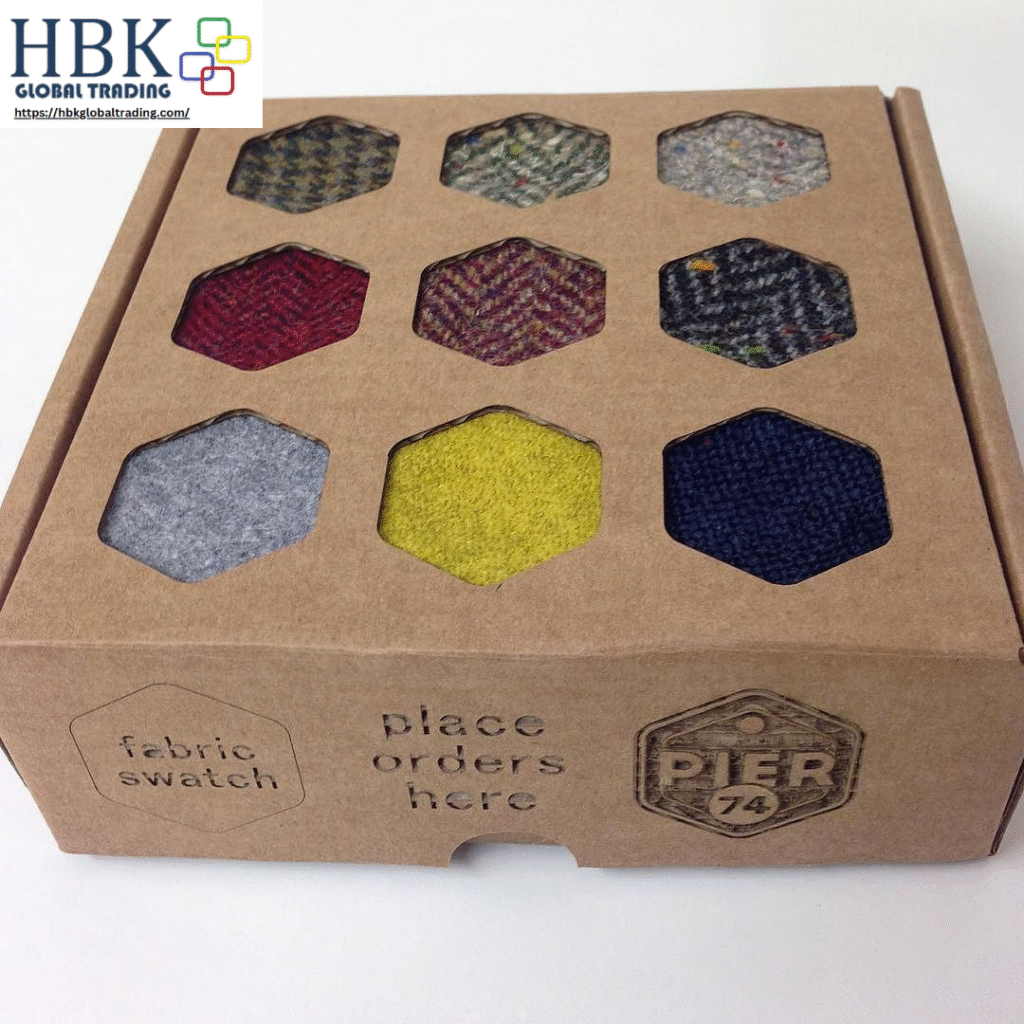
Our air express lane runs 24 to 48 hours from Tan Son Nhat (SGN) or Noi Bai (HAN). So you can approve a Golden Sample on Tuesday. Then you start bulk production by Thursday. That head start leaves slower rivals behind.
2. Safe Transport for High-Tech Components
Vietnam is fast becoming Asia’s new electronics hub. But shipping sensitive printed circuit boards (PCBs) or camera modules takes more than speed. It takes stability. Sea freight exposes cargo to humidity and salt air. So delicate parts arrive corroded or static-damaged. Air cargo is different. It offers a controlled, stable environment. In fact, we apply the same protocols as our Taiwan high-tech air lane. So your components land clean and intact.
3. Navigating the “Red Tape” of Rush Customs
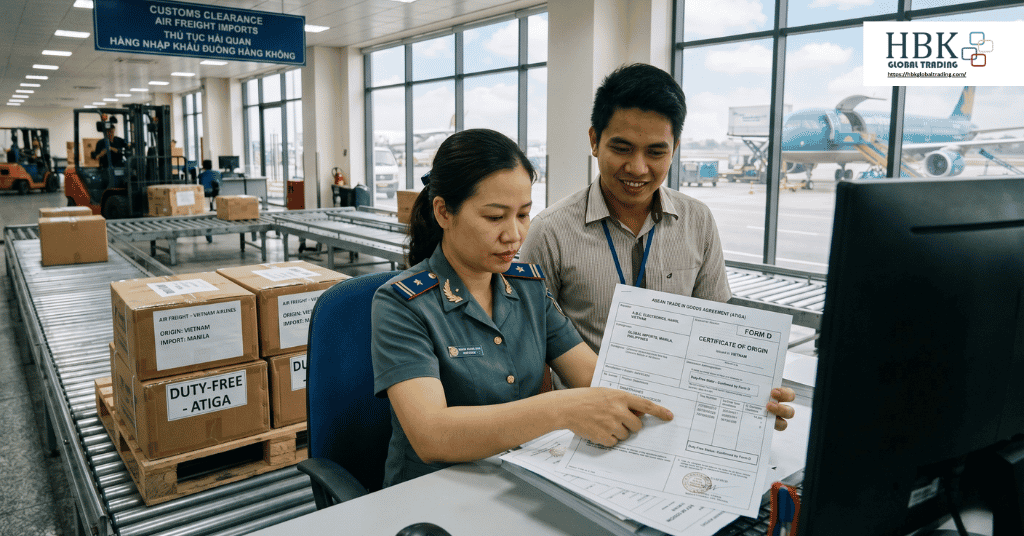
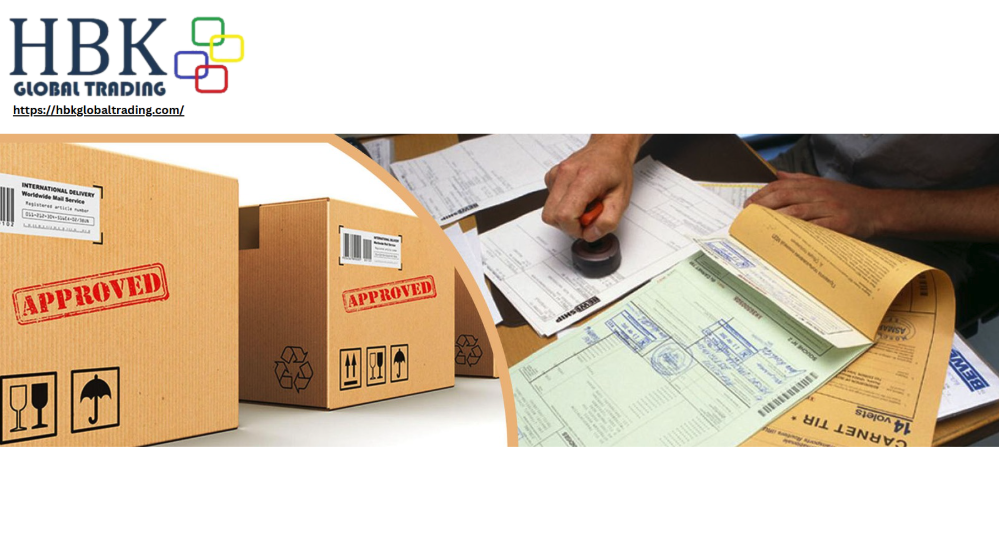
Speed in the air means nothing if your cargo gets flagged on the ground. The Bureau of Customs watches air cargo closely for undervaluation. Samples are a classic target, especially when declared at zero value. That can trip the e-VRIS risk profile in an instant. So here’s how we keep you clear. First, we pre-clear your documents before the flight departs. Then we make sure your commercial invoice reads “Samples with No Commercial Value” the way BOC rules require. As a result, you avoid the dreaded Warrant of Seizure and Detention (WSD). It’s the same care we bring to our full customs clearance process.
4. Securing ATIGA Duty-Free Benefits
Here’s a bonus many importers miss. In fact, many goods from Vietnam can enter the Philippines duty-free. Under the ATIGA (ASEAN Trade in Goods Agreement), properly documented shipments enjoy 0% import duty. But there’s one condition. You need the right Certificate of Origin, called Form D. So we work with your Vietnamese suppliers to secure it. That way, even a rush air shipment gets preferential rates. And that keeps your true landed cost as low as possible. Similarly, we use the same playbook in our Thailand auto parts guide.