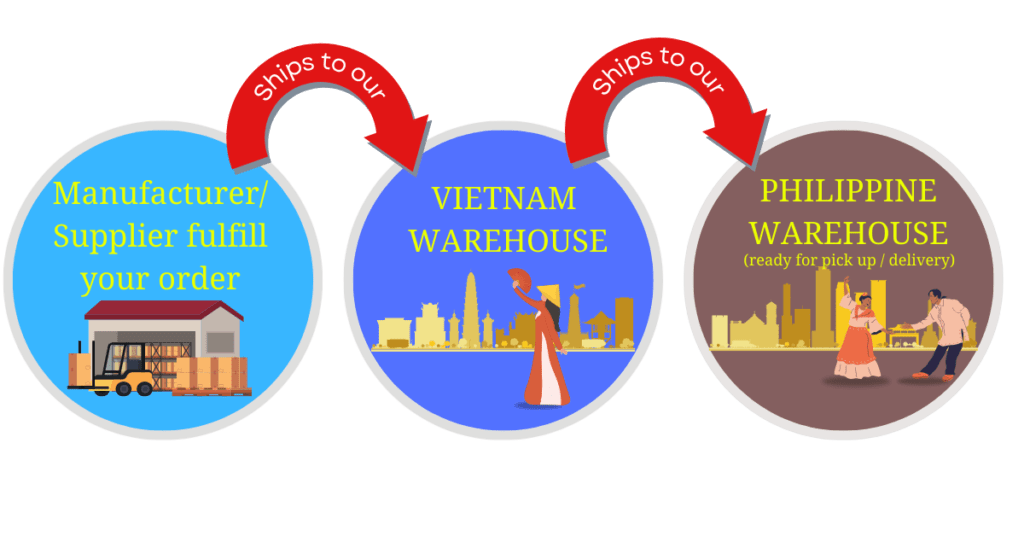
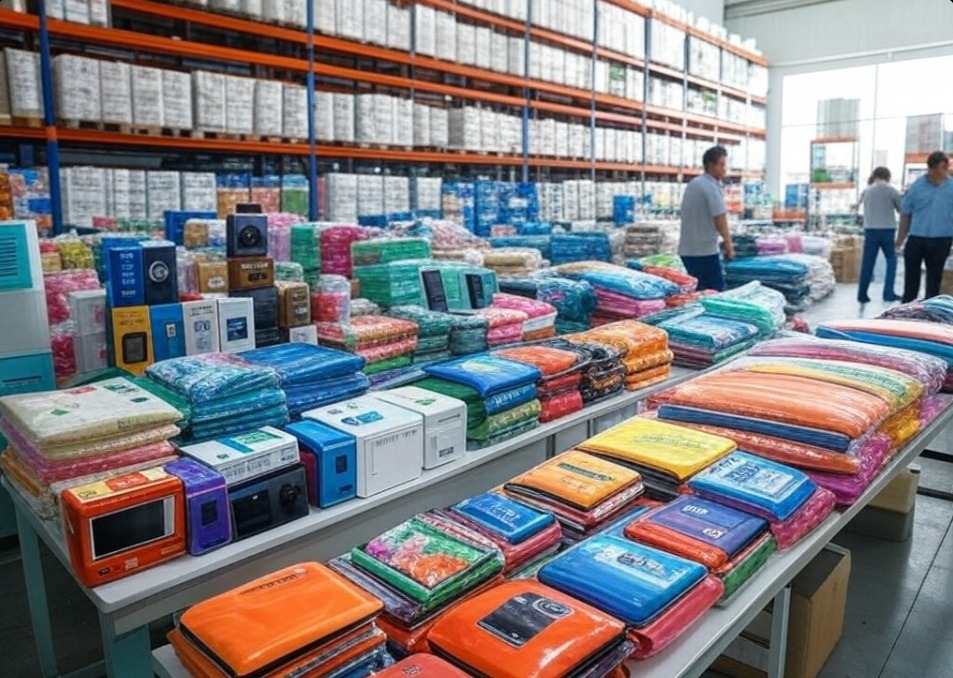
Vietnam is a critical sourcing market for Philippine importers. It offers everything from textiles to coffee. For bulk inventory and non-perishable goods, sea freight is the most cost-effective shipping method. Successfully managing sea freight Vietnam to Philippines requires a smart, streamlined logistics partner. This guide details your shipping options and ensures a cost-efficient process.
Choosing Your Sea Freight Option
Your cargo volume determines the best freight option. This choice directly impacts your final cost.
• LCL (Less than Container Load): This is ideal for smaller shipments. You share space in a large container with other importers. Therefore, LCL significantly lowers your base freight cost.
•FCL (Full Container Load): You need FCL for high-volume inventory. This gives you exclusive use of the container. Consequently, it provides the lowest cost per unit.

Cost-Saving Strategies and Customs
Sea freight Vietnam to Philippines involves more than just the vessel trip. It includes crucial land and port handling processes.
Customs Preparation: Accurate and complete documentation is mandatory. Missing or incorrect paperwork causes long, costly delays.
Expert Vanning: Vanning is the process of loading the container. Our Vietnamese partners expertly load your goods. In addition, they ensure maximum space utilization. This maximizes your savings.
HBK’s Streamlined Logistics
HBK Global Trading specializes in the Vietnam-Philippines route. We make sea freight Vietnam to Philippines predictable and reliable.
• End-to-End Management: We manage the process entirely. This runs from the supplier’s factory to the Manila port.
• Brokerage: Our in-house customs brokers manage all final clearance steps. Thus, this minimizes the risk of your container getting stuck.