
By the HBK Customs Compliance Team | Updated January 28, 2026
Navigating the Philippine customs clearance process can be one of the most challenging aspects of international trade. While most importers expect a seamless journey, many find their cargo flagged for inspection or held at the port for weeks. At HBK Global Trading, we believe that understanding the common pitfalls is the first step toward a faster, more predictable supply chain.
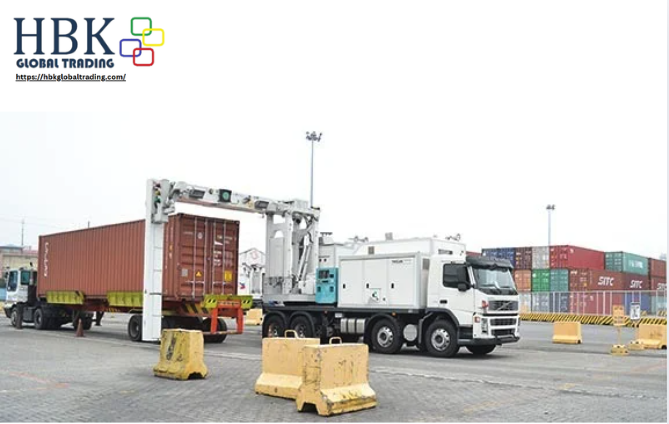
1. Incorrect or Inconsistent Documentation
The most frequent cause of delay in the Philippine customs clearance process is paperwork that doesn’t match the actual shipment. Consequently, even a small typo in the Bill of Lading or a missing Commercial Invoice can trigger a “Red Lane” classification.
Therefore, you must double-check that your supplier’s documentation perfectly aligns with your import entry. Instead of rushing the submission, take the time to audit every HS code and declared value to ensure total compliance.
2. Improper Valuation and Classification
The Bureau of Customs (BOC) maintains strict databases for the valuation of goods. However, if you declare a value that is significantly lower than their benchmarks, your cargo will be flagged for “Undervaluation.”
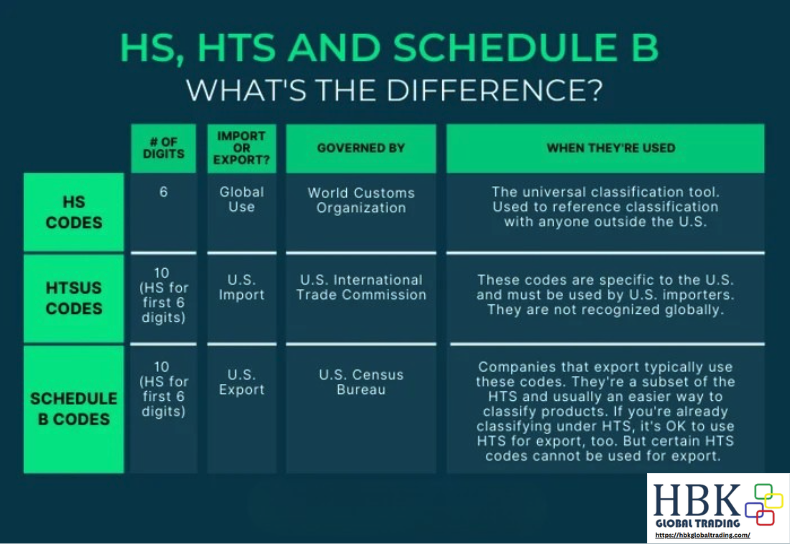
Thus, correctly identifying your product’s HS code is vital for calculating accurate duties and taxes. Furthermore, utilizing a professional broker ensures that your classification is defensible and matches current BOC standards, preventing costly reassessments and delays.
3. Lack of Required Import Permits
Many first-time importers assume that all goods can be imported freely. Instead, many items—ranging from electronics to agricultural products—require specific clearances from agencies like the FDA or the NTC.
If your cargo arrives without these permits, it will remain stuck in the Philippine customs clearance process until the paperwork is produced. Consequently, this can lead to high demurrage and storage fees that eat into your profit margins.

How HBK Global Trading Expedites Your Clearance
We provide a comprehensive solution that removes the stress of dealing with port authorities. Finally, remember that a reliable supply chain depends on expert preparation. Simply by partnering with our licensed brokers, you can bypass these common hurdles.