
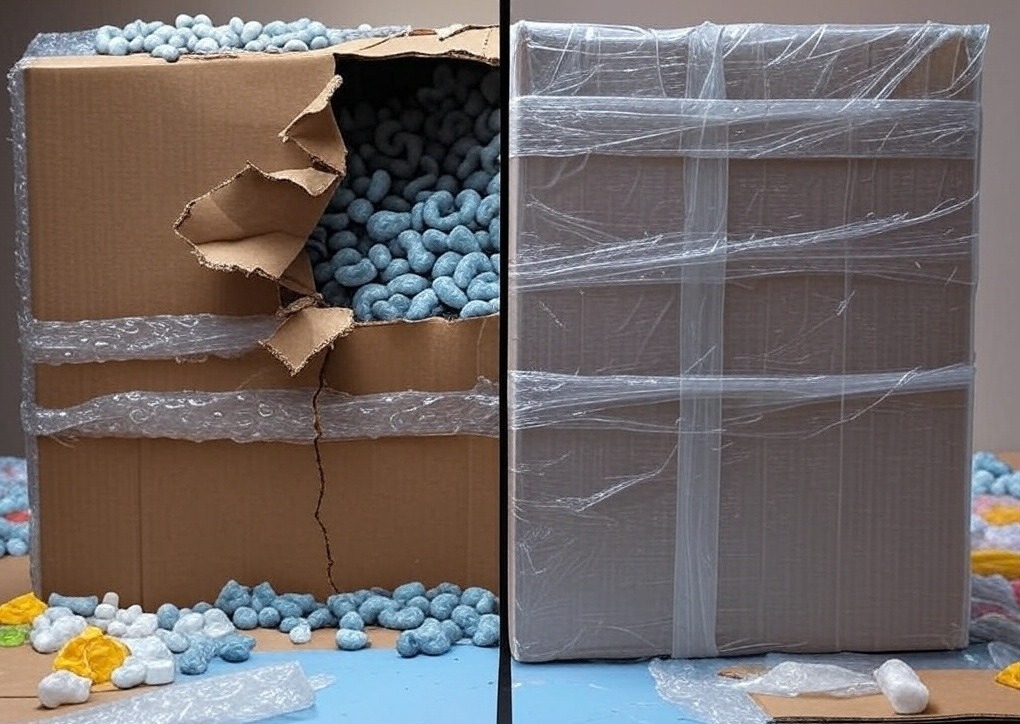
For Philippine businesses, the moment cargo leaves the supplier, its safety depends entirely on its packaging. Fragile and valuable items are handled numerous times during transit. Secure import packaging is your primary defense against damage and costly loss. This guide details essential steps to ensure your goods survive the journey.
Proper Cushioning and Protection
Your goal is to eliminate empty space and absorb shock. Effective cushioning is vital.
• Wrap Individually: Wrap every item individually. Use bubble wrap or foam sheeting. This prevents items from hitting each other inside the box.
• Double Boxing: Use the double-boxing method for fragile electronics or glassware. Place the protected item inside a second, larger box. Fill the space between the boxes with packing peanuts or foam.
• The Drop Test: Imagine the box being dropped. Will the contents survive? Therefore, use enough cushioning to withstand a fall.
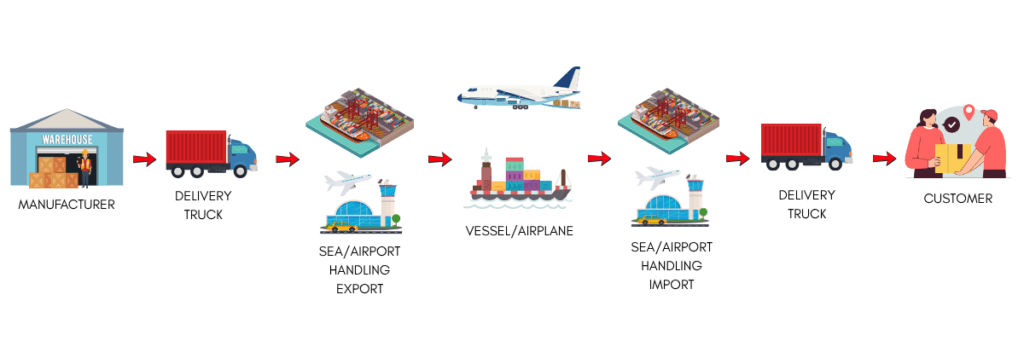
Labeling and Compliance
Clear labeling communicates handling needs to logistics personnel and ensures smooth customs transit.
- Clear Markings: Clearly mark all sides of the package with the consignee’s address. In addition, include your Customer ID.
- Fragile Stickers: Use high-visibility “FRAGILE” or “HANDLE WITH CARE” stickers. This alerts handlers to the delicate contents.
- Documentation Match: Ensure the label details match the cargo manifest. This prevents customs confusion and delays.
The Shipping Container Strategy
Choosing the right container strategy minimizes movement and external pressure.
Avoid Empty Space: Boxes must be filled to the top. Consequently, they prevent shifting during transport.
Palletizing: For bulk orders, arrange boxes neatly on a pallet. Secure them with shrink wrap and strapping. This provides crucial stability.
Destination & Handling (Philippine Conditions):
Consider the climate in the Philippines (humidity) and the multiple handling points involved (ports, warehouses, local delivery).
LCL vs. FCL Shipments:
- LCL (Less than Container Load): Your goods will be consolidated with other cargo. This means more handling and a higher risk of impact from other items. Packaging for LCL must be exceptionally robust and self-supporting.
- FCL (Full Container Load): While your goods are the sole occupants, proper bracing and securing within the container are still essential to prevent shifting during transit.
Essential Packaging Materials & Techniques Using the right materials and techniques is key:
Outer Packaging:
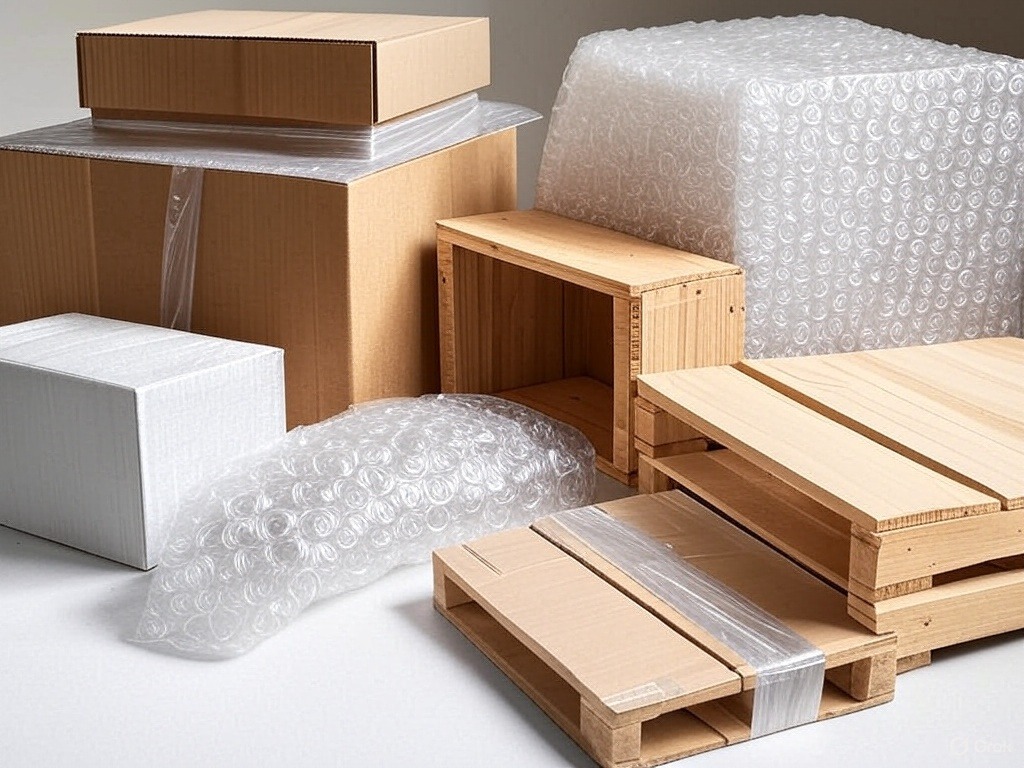
- Corrugated Cardboard Boxes: Choose new, high-quality, double-walled or even triple-walled boxes for heavier items or LCL shipments. Avoid reusing old, weakened boxes.
- Wooden Crates: Ideal for heavy, bulky, or very fragile items needing maximum protection. Ensure wood is ISPM 15 compliant (heat-treated or fumigated for international shipping).
- Pallets: Use sturdy pallets (wood ISPM 15 compliant, or plastic) for consolidating multiple boxes.
Inner Packaging (Cushioning & Void Fill):
- Bubble Wrap: Excellent for wrapping individual fragile items.
- Foam Sheeting/Planks/Molded Foam: Provides robust cushioning and support for delicate electronics or specific shapes.
- Air Pillows / Void Fill: Fills empty spaces to prevent items from shifting.
Wrapping, Sealing & Labeling:
- Stretch Wrap: Secures boxes to a pallet and provides some moisture resistance.
- Strong Packing Tape: Use high-quality, pressure-sensitive plastic tape (at least 2 inches wide). Apply generously using the “H-tape” method on all seams and flaps.
- Clear & Accurate Labeling: Use proper shipping labels and handling labels (e.g., “Fragile,” “This Way Up”).
Best Practices for Secure Packaging
Instruct your suppliers to follow these best practices, or implement them if you are doing the export packaging:
- Choose the Right Box/Crate: Ensure it’s strong enough for the weight of the contents and slightly larger than the item to allow for cushioning.
- Individually Wrap Items: Wrap each item separately with cushioning material.
- Use Sufficient Cushioning: Ensure at least 2 inches (5 cm) of cushioning around all sides of the item(s) inside the box. Fill all void spaces.
- Distribute Weight Evenly: For multiple items in one box, place heavier items at the bottom.
- Seal Boxes Securely: Use the H-taping method. Reinforce all seams.
- Consider Waterproofing: If goods are sensitive to moisture, use waterproof liners inside boxes or water-resistant wrapping.
- Palletize Correctly: If using pallets, stack boxes squarely, without overhang. Securely shrink-wrap or strap the boxes to the pallet.
- Label Clearly and Accurately: Ensure all necessary labels are present, legible, and securely affixed. Remove any old, irrelevant labels.